Preparing A Manoa Home For Market With Maximum Appeal
July 9, 2026
July 9, 2026
If you are getting ready to sell in Mānoa, presentation is about more than fresh paint and tidy rooms. This valley setting brings lush greenery, frequent moisture, and view-rich surroundings that can either elevate your listing or distract from it if prep is rushed. With the right plan, you can make your home feel brighter, cleaner, and more market-ready while protecting the features buyers are most likely to notice first. Let’s dive in.
Mānoa has a naturally green, layered look that many buyers find appealing, but that same environment can make a home harder to prepare for market. Upper Mānoa Valley is known for heavy rainfall, with Lyon Arboretum noting average annual rainfall of 165 inches in that area. That means your exterior presentation should include both beauty and moisture control.
In practical terms, buyers may notice overgrown landscaping, mildew, worn screens, or clogged drainage faster here than they would in a drier area. A yard can feel lush and inviting, or it can feel like one more maintenance project waiting to happen. Your goal is to show that the property is well cared for and easy to enjoy.
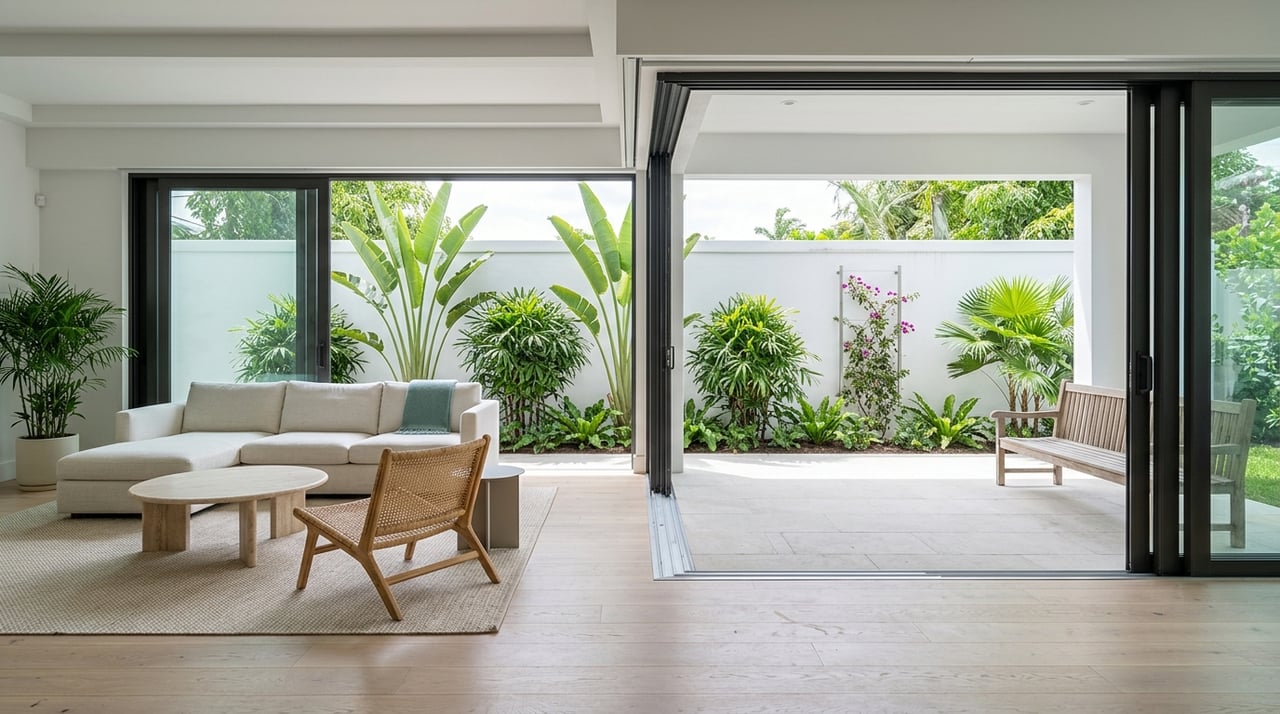
Light also matters in a special way in Mānoa. Valley homes often benefit from greenery, open vistas, and a strong connection to the outdoors. When you prep for market, you want the interior to frame those natural surroundings rather than compete with them.
If you have six to eighteen months before listing, begin with deferred maintenance and outdoor systems. This is often the stage where sellers can make the biggest difference with the least stress. It also gives you time to complete repairs before photos and showings are on the calendar.
According to the 2025 NAR staging survey, common seller recommendations include decluttering, cleaning, improving curb appeal, painting walls, landscaping outdoor areas, and making minor repairs. For a Mānoa home, that often means addressing roof leaks, peeling paint, cracked caulking, worn screens, and any visible mildew or mold before your marketing begins.
Because heavy rain can affect valleys and canyons, drainage should be part of your prep checklist. The Hawaiʻi Department of Health warns that these areas can experience flash flooding during heavy rain, so it is smart to check gutters, downspouts, and runoff paths early. A clean, dry-looking property tends to inspire more buyer confidence than one with visible water-related issues.
Cosmetic updates matter, but moisture issues deserve attention first. The Hawaiʻi Department of Health advises keeping indoor humidity below 60% to help limit microbial growth, ventilating moisture-producing areas, and drying damp materials quickly. If a room smells musty or shows signs of lingering moisture, that should move to the top of your to-do list.
This matters for both in-person showings and listing photos. Even small wall marks, discoloration, or worn caulking can stand out in close-up images. Taking care of them early helps your home read as clean and well maintained.
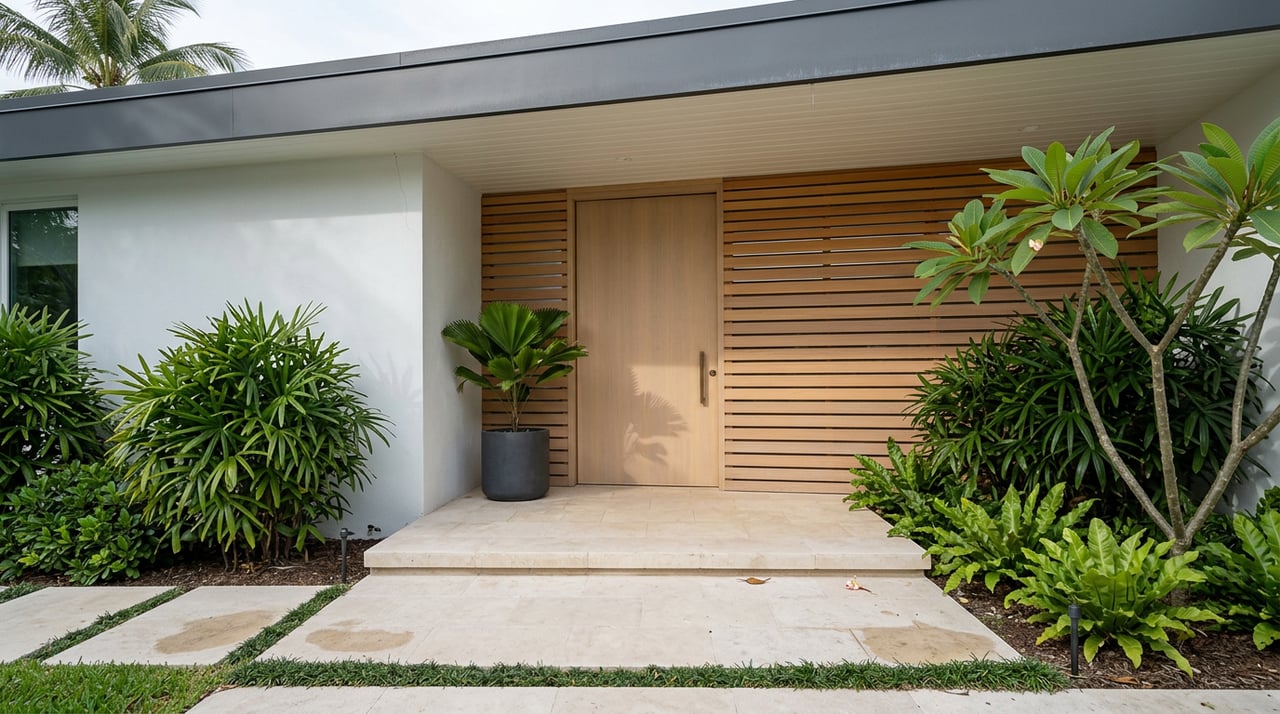
Some Mānoa properties back up to mature vegetation, brush, or sloped land. If that sounds like your home, exterior prep should also include safety-minded clearing. The Honolulu Fire Department recommends a 30-foot safety zone around the house, keeping access points clear, and pruning lower tree limbs so they sit 6 to 10 feet above the ground.
That guidance can also improve first impressions. Trimmed vegetation helps the architecture show, makes walkways feel more open, and keeps outdoor spaces from looking closed in. You want the landscaping to feel intentional, not overwhelming.
About two to three months before listing, shift your focus indoors. This is when you want buyers to start seeing space, light, and flow instead of personal items and everyday clutter. A simplified interior also sets the stage for stronger photography.
NAR’s consumer staging guidance recommends packing away personal items, using storage so closets are about half full, removing bulky furniture, and keeping the entry manicured. That advice is especially useful in Mānoa homes, where natural surroundings are often a key selling point and interiors should feel calm enough to support that.
Start with the most visible surfaces and pathways. Clear counters, shelves, refrigerator fronts, and hallways so photos feel clean and open. Cameras tend to magnify clutter and grime, so anything that looks minor in daily life can become a distraction online.
The 2025 NAR staging report found that 83% of buyers’ agents said staging makes it easier for buyers to visualize a property as a future home. The same report found that the living room was the most important room to stage, followed by the primary bedroom and kitchen. If your time or budget is limited, begin there.
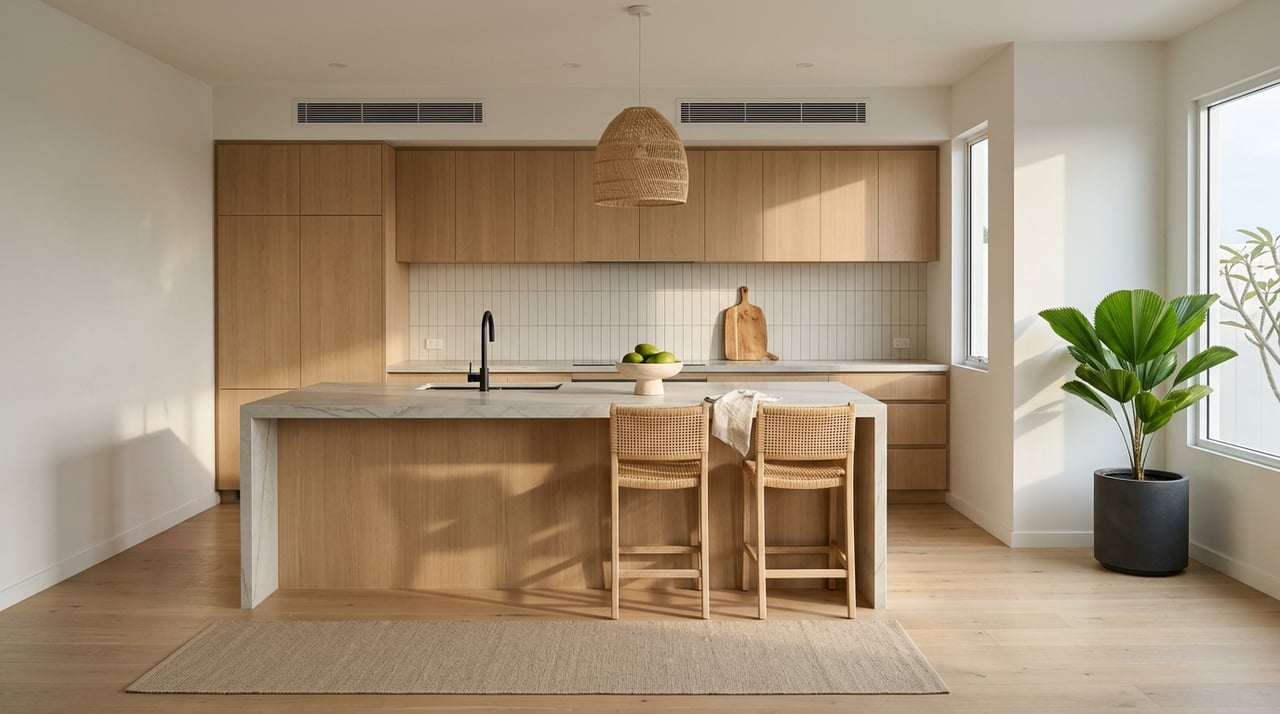
In the living room, reduce excess seating and arrange furniture to highlight the best sightline in the space. In the primary bedroom, keep bedding simple and fresh so the room feels restful. In the kitchen, clear visual noise and keep surfaces as open as possible.
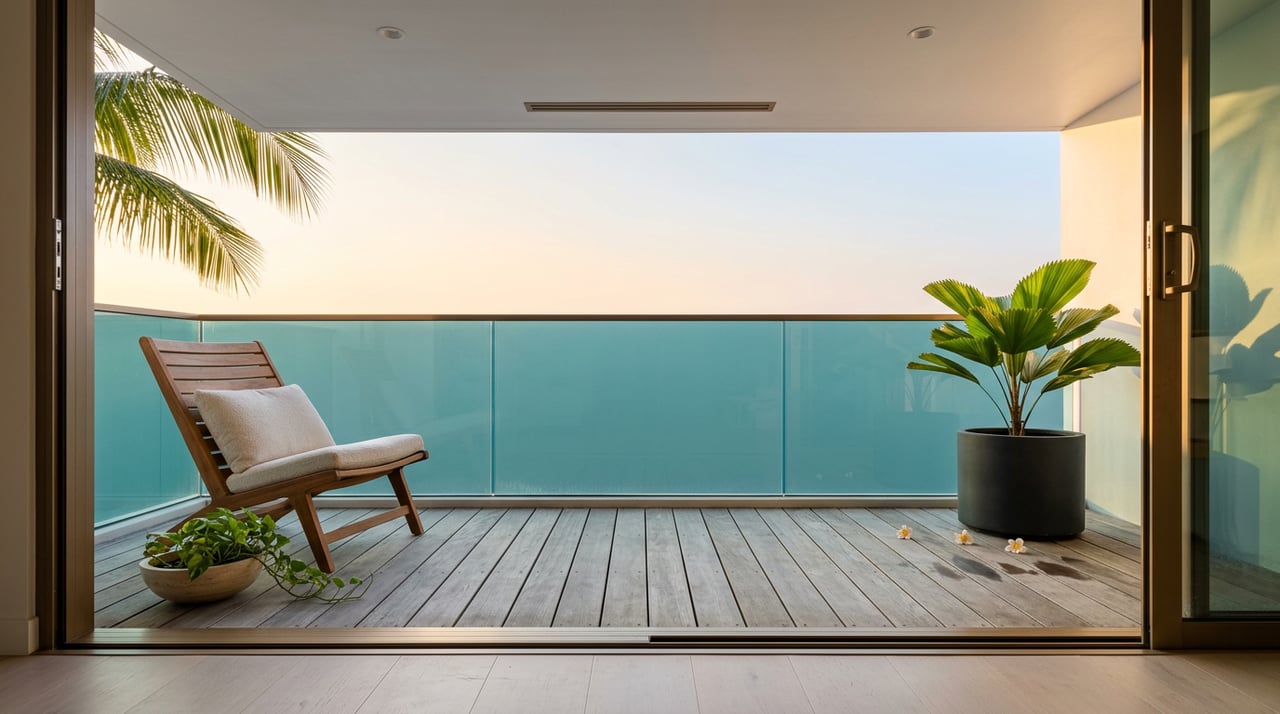
Mānoa homes often shine when the indoor and outdoor spaces feel connected. That is why staging should not stop at the front door. Your lanai, porch, and yard should feel like usable extensions of the home.
The 2025 NAR staging report identifies landscape outdoor area, curb appeal, and professional photos among common seller-agent recommendations. In a setting like Mānoa, outdoor areas should look maintained and inviting, not hidden behind untrimmed vegetation. A neat yard helps buyers imagine enjoying the space instead of managing it.
One of the biggest opportunities in Mānoa is the surrounding landscape. Open valley views, mature greenery, and natural light can add warmth and depth to a listing when they are presented well. Your prep plan should help these features stand out.
NAR recommends opening blinds, cleaning windows and screens, and replacing heavy curtains with sheer ones to show off the view. In Mānoa, that advice carries extra weight because windows often frame one of the home’s best assets. Clean glass and lighter window treatments can make a room feel brighter without adding clutter.
Keep furniture from blocking view lines whenever possible. If a window or lanai offers greenery or a broad outlook, arrange the room so the eye moves toward it. Oversized furniture, dark drapery, and dense accessories can interrupt that effect.
A fresh, neutral look tends to photograph well. NAR guidance suggests neutral paint, fresh bedding, new towels, and light styling layers. In Mānoa, a few restrained plant accents can work nicely because they echo the neighborhood’s lush setting without crowding the room.
The key is restraint. One healthy plant in a room may read as fresh on camera, but too many can make the space feel smaller or visually busy. Aim for clean, airy styling that supports the architecture and the view.
As your listing date gets close, move into final presentation mode. This is the time for detail work that sharpens your home’s appearance for photography, tours, and showings. Small fixes can make a big difference once the camera is involved.
NAR’s home-showing checklist recommends cleaning windows and screens, replacing burnt bulbs, opening blinds and curtains, removing excess furniture, trimming bushes, edging walkways, and cleaning gutters. Those steps are especially useful in Mānoa, where natural light and exterior upkeep have an outsized impact on how the home feels.
Take a slow walk through the property as if you were seeing it for the first time online. Look for dark corners, dusty surfaces, crowded furniture layouts, and anything outdoors that feels overgrown. If a buyer notices those details in photos, they may assume there are larger maintenance concerns behind them.
Because most buyers begin their search online, your photo set matters. NAR says high-resolution photos and video tours are a must, and the 2025 staging report found that buyers’ agents rated photos, physical staging, videos, and virtual tours as much more or more important to their clients.
For a Mānoa listing, strong photography should highlight daylight, clean room transitions, outdoor living, and the home’s best views. That only works if the house is fully ready before the shoot. Cleaning, decluttering, replacing bulbs, and tidying the landscape should all be complete before the camera comes out.
NAR’s photo-shoot guidance recommends practice photos, opening blinds to let in natural light, removing magnets from the refrigerator, and taking down distracting art. This is a smart step for Mānoa sellers because camera angles can quickly reveal whether a room feels bright and open or dim and crowded.
It is also important not to overdo brightness. NAR warns against an overly washed-out look from too much sunlight or flash. The goal is balanced light that shows both the room and the view clearly.
Virtual staging can help vacant rooms feel more understandable to buyers, but it should not replace accurate presentation. NAR’s consumer guide says photo enhancements that materially alter the property should be disclosed so buyers get a true picture. Real photos, thoughtful staging, and a complete virtual tour still do the heavy lifting.
That is one reason a full-service listing approach can make such a difference. When staging, photography, and virtual tours are planned together, your home can come to market with a consistent look and a stronger first impression.
If your prep includes changes near the sidewalk, planting strip, or street tree, check Honolulu requirements before work begins. The Department of Planning and Permitting says a street usage permit is required for work adjacent to a city street or highway that may temporarily obstruct a roadway or sidewalk. Plans to plant, relocate, or remove a street tree must also be submitted for review and approval.
This may not apply to every seller, but it is worth confirming early if you are planning visible exterior improvements. The last thing you want is a preventable delay right before listing. Early planning gives you more flexibility and fewer surprises.
If you want a prep plan that fits your timeline, your home’s condition, and the way Mānoa buyers shop, Hawaii LUX Team of eXp Realty can help you create a polished listing strategy with staging, professional photography, and thoughtful market preparation.
August 27, 2026
August 20, 2026
August 13, 2026
August 6, 2026
August 6, 2026
July 23, 2026
July 16, 2026
July 9, 2026
July 2, 2026
Get assistance in determining current property value, crafting a competitive offer, writing and negotiating a contract, and much more. Contact us today.