Nuuanu Home Pricing for Vintage Houses: Renovate or Keep Original?
January 15, 2026
January 15, 2026
Should you renovate your vintage Nuuanu home before selling, or keep its original charm and price accordingly? It is a big decision, especially with sloped lots, termites, and permitting questions in the mix. You want to protect your equity and make smart choices without over-improving. In this guide, you will learn what drives value in Nuuanu, how appraisers treat renovations versus original condition, and how to build a plan that fits your goals. Let’s dive in.
Nuuanu is one of Honolulu’s mature neighborhoods with early 20th century plantation-era cottages, mid-century homes, and later infill. Many lots sit along ridgelines and valleys. Slope, usable yard area, sunlight, drainage, and privacy can vary a lot from one property to the next, and those differences matter for price.
You are close to downtown Honolulu, Kaka‘ako, Ala Moana, and central Honolulu, so buyers often seek a quieter neighborhood feel with quick city access. Within the area, elevation and lot privacy can command premiums. Older Honolulu homes also share common issues that influence buyer interest and inspection outcomes, including termite activity, aging plumbing and electrical, roof condition, and limited insulation or ventilation. Addressing those items can be as important as any cosmetic update.
The items below strongly affect sellability and financing. Buyers and lenders pay attention to them, and appraisers do too.
Function often beats flash. Focus on updates that improve daily use and comfort.
Original features can be a selling point to the right buyer segment.
Outdoor living and usability weigh heavily in Nuuanu.
Convenience still matters.
Appraisers rely most on the sales comparison approach for single-family homes. Recent comparable sales of similar condition and upgrades carry the most weight. If few renovated comps exist, an appraiser may use the cost approach to recognize permitted, high-quality improvements. Even then, the market tends to follow comps more than cost.
Permitted work that meets code is more likely to be counted toward value. Unpermitted changes can be excluded from the appraised value or complicate lending. Keep documentation for structural, electrical, plumbing, and mechanical work, along with final inspection sign-offs. Lenders and appraisers view clear records as lower risk.
Your best predictor of post-renovation value is recent sales of similarly renovated Nuuanu properties or nearby similar neighborhoods. If your planned upgrades put the home far beyond what local comps support, you may not recover full costs at resale.
Market conditions change. A project completed during a rising market may capture more value than one finished during a cooling period. Also, some structural or safety issues need to be fixed before a buyer’s lender will approve financing. Buyers using renovation mortgages must follow program limits and timelines, which can affect how attractive an original home looks compared to a move-in-ready one.
Use this simple flow to decide where to invest before you list.
Identify issues that commonly limit financing. Termite remediation, electrical hazards, roof leaks, and major plumbing failures should be addressed. These items remove friction and open your home to a wider buyer pool.
Look at recent comparable sales nearby to estimate a realistic top-end price. If a full remodel would push you far past those numbers, pivot to targeted improvements. Aim for updates that improve function and show well without overshooting the comp set.
Fresh paint, decluttering, landscaping tune-ups, lighting, and light kitchen or bath refreshes can deliver strong perceived value. Focus on the main living areas and everyday function. Address moisture and ventilation where needed.
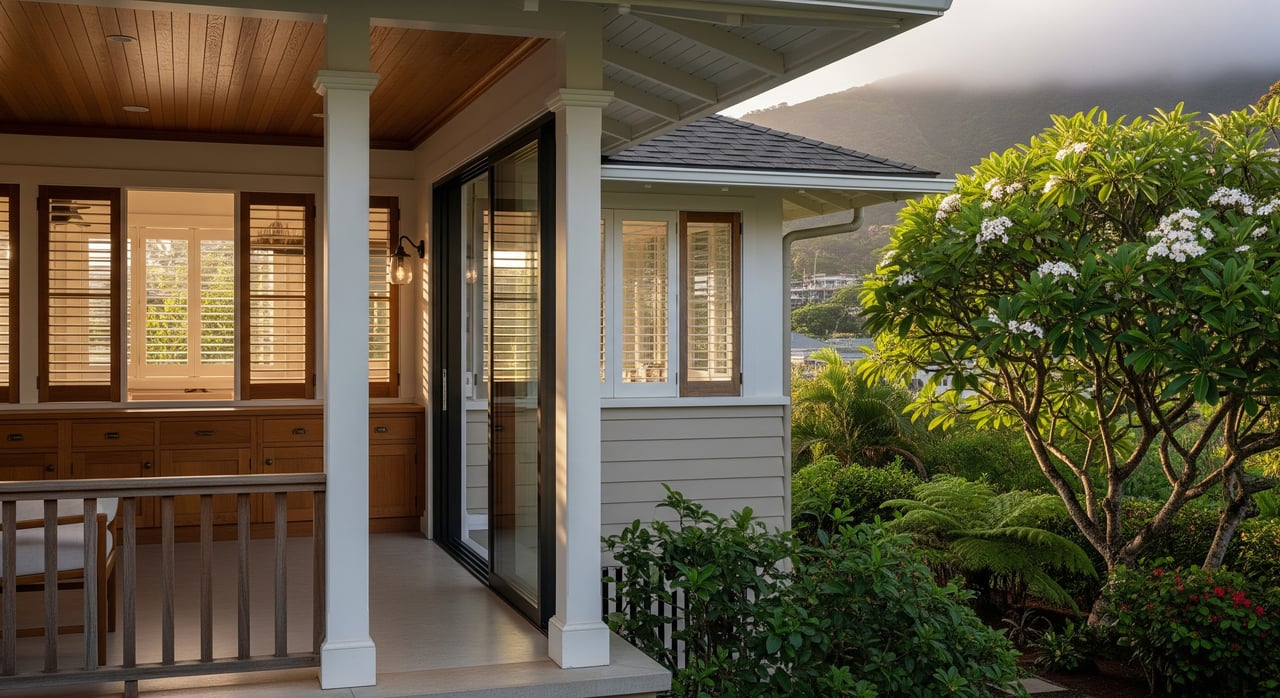
Many Nuuanu buyers value authenticity. Consider preserving hardwood floors, original moldings, and built-ins while modernizing systems, kitchens, and baths. This balance can reach the broadest audience.
If you plan to add a bath or square footage, run the numbers against current comps and check zoning and permits. Projects that are uncommon in the comp pool are harder to justify at premium prices.
The City and County of Honolulu Department of Planning and Permitting generally requires permits for structural, electrical, plumbing, and many mechanical changes. Unpermitted work can complicate lending and transfer. For properties with historic considerations, check with the Hawaii State Historic Preservation Division and the City’s preservation rules before altering character-defining features.
Formosan and other termite species are common in older Honolulu homes. Documentation of treatments and repairs builds buyer confidence. Honolulu’s climate also makes ventilation and moisture management important to prevent recurring issues.
Nuuanu’s hills can create steep driveways and stairs that affect marketability for some buyers. Drainage and slope stability are part of the value conversation, and usable yard area often influences family buyers.
If you are buying an original home and plan to renovate, renovation-friendly mortgages can combine purchase and improvements in one loan. Common options include FHA 203(k), Fannie Mae HomeStyle, and similar conventional renovation programs. These loans come with rules on contractor approvals, draw schedules, project scopes, and appraisals. Speak with your lender early, and align your timeline with program requirements.
Deciding whether to renovate or preserve depends on condition, neighborhood comps, permitting, and the buyer pool you want to attract. For many Nuuanu homes, addressing safety and systems such as roof, termite, and electrical or plumbing, then combining modest modern upgrades with preserved character, provides the best balance of marketability and value. If you want clarity on your options, request a custom comp set and a targeted list of improvements most likely to lift your sale price in today’s market.
Ready to weigh your choices with local, technical guidance? Reach out to the Hawaii LUX Team of eXp Realty for a custom valuation and comp set tailored to your Nuuanu home.
June 18, 2026
June 11, 2026
June 4, 2026

May 28, 2026
May 21, 2026

May 14, 2026
May 7, 2026
April 23, 2026

April 16, 2026
Get assistance in determining current property value, crafting a competitive offer, writing and negotiating a contract, and much more. Contact us today.