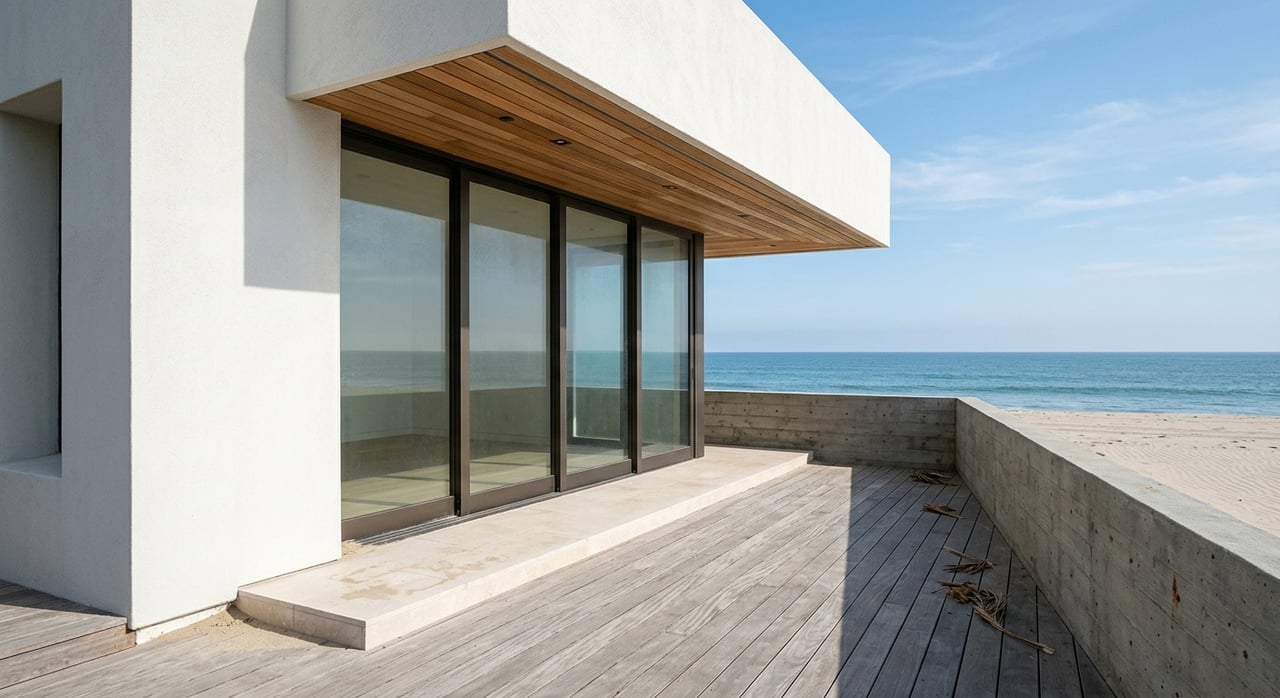
Haleiwa Beachfront Home Buying Guide for North Shore
April 23, 2026
April 23, 2026
Dreaming about waking up to ocean views on Oahu’s North Shore? Buying a beachfront home in Haleiwa can be exciting, but it also comes with a very different set of questions than buying inland. If you are considering this market, you need more than a price range. You need to understand shoreline rules, seasonal surf conditions, insurance realities, and what a property can actually support over time. Let’s dive in.
Haleiwa is a premium market, but it is not one-size-fits-all. According to Realtor.com’s Haleiwa market data, the median home sale price was $2,374,500 in January 2026, with 61 homes for sale, 97 median days on market, and homes selling about 3.02% below asking.
That broad snapshot is helpful, but beachfront inventory sits in several price tiers. Current examples range from about $1.95 million for a CPR property near Ke Iki Beach with private beach access to oceanfront and compound-scale opportunities priced from $7 million to $18.5 million. In other words, the North Shore beachfront market rewards close property-by-property analysis, not broad assumptions.
Haleiwa’s beachfront value is shaped by more than square footage. Lot shape, shoreline exposure, and proximity to surf breaks can all influence price and long-term usability. Two homes with similar interior finishes can offer very different ownership experiences depending on how the lot sits against the shoreline.
This is also why comparisons with other Oahu coastal markets should stay directional. For example, Kailua has a more established set of luxury beachfront comparables, while Haleiwa’s upper-end pricing is often tied more closely to scarcity and oceanfront positioning. If you are buying here, local context matters.
A beachfront tour in calm weather does not always show you what the property feels like year-round. According to Hawaii Ocean Safety’s surf season guidance, Oahu’s North Shore sees high surf in winter, while summer is generally calmer.
That seasonal shift matters in a practical way. A lot that feels quiet and open in summer may feel far more exposed during winter swell season. If you are serious about buying in Haleiwa, it helps to evaluate how the shoreline, beach access, and ocean exposure may change with the season.
Buying on the beach also means buying into a changing shoreline environment. The State of Hawaii reports that 70% of beaches are threatened by erosion and sea level rise impacts, and Oahu has already lost shoreline in some areas.
For you as a buyer, the takeaway is simple. Beachfront property can be beautiful and scarce, but it is not static. The land, shoreline, and future use potential all deserve careful review before you commit.
One of the biggest surprises for beachfront buyers is that the usable building area may be smaller than the lot appears. On Oahu, shoreline setback rules can push the buildable envelope farther mauka from the certified shoreline line.
Under the City and County of Honolulu’s current framework, the setback line is generally 60 feet plus 70 times the annual coastal erosion rate, capped at 130 feet, in most non-Primary Urban Center areas. As outlined in Honolulu’s shoreline setback ordinance, once the shoreline is certified and the setback line is established, a later survey cannot move that line farther seaward.
That means due diligence should start early. If you are considering a remodel, addition, or future rebuild, you want to know where the certified shoreline and setback line sit before you get too far down the road.
Beachfront buyers often focus on the existing home, but future plans matter just as much. If you want to expand, reconfigure, grade, or reconstruct, the property may be subject to Special Management Area review.
Honolulu’s rules state that a major SMA permit is generally required when project valuation exceeds $500,000 or when the proposal may have significant adverse environmental effects. You can review those standards in Chapter 25 of Honolulu’s land use ordinance. For many buyers, this becomes part of the property’s real value story.
If a home needs substantial work or future rebuilding, elevation rules can also come into play. Honolulu’s shoreline regulations state that proposals in a special flood hazard area must place the finished lowest floor at least 3 feet above FEMA base flood elevation.
If the property is outside the flood hazard area but inside the state sea level rise exposure area, the lowest floor must be at least 3 feet above the highest adjacent grade. These standards, described in Honolulu Chapter 26, can influence design, cost, and long-term planning.
Many buyers assume standard homeowners insurance covers all major coastal risk. It usually does not. FEMA explains that flood damage is generally covered through a separate flood insurance policy, not a standard homeowners policy, and NFIP policies typically have a 30-day waiting period.
Hurricane-related wind coverage is also a separate issue. The Hawaii Emergency Management Agency notes that hurricane insurance covers wind damage from a hurricane, while storm surge is covered by flood insurance. If you are buying beachfront in Haleiwa, it is smart to request insurance quotes early in escrow, not after all other decisions are made.
Availability also matters, not just price. The Hawaii Insurance Division notes that some property owners who cannot obtain private homeowners or dwelling-fire coverage may qualify for the Hawaii Property Insurance Association and other state-backed market support tools.
For a beachfront purchase, this is an important reminder that insurance should be part of your acquisition strategy from day one. A beautiful lot and strong ocean view do not automatically translate into simple coverage options.
If you are looking at Haleiwa beachfront as an investment, do not start with nightly rental projections. Start with legal use. Honolulu’s short-term rental rules require sellers to disclose whether short-term rental use is legal and, if so, to provide the permit or registration number before closing.
That requirement comes from Honolulu Ordinance 22-6. For you, that means the first underwriting question is whether the use is legal, not whether the home seems like it would rent well.
When you buy a beachfront home in Haleiwa, your checklist should go beyond inspections and financing. Coastal properties need a more layered review.
Here are some of the most important items to verify:
The State of Hawaii Department of Land and Natural Resources also recommends in its coastal real estate guide that owners build as far from the shoreline as possible and as high on the lot as practical. That is a useful lens when you compare lots that may look similar on paper.
The best Haleiwa beachfront purchases usually come down to preparation. You are not only buying views and access. You are also buying a shoreline position, a permitting profile, and a long-term ownership responsibility.
That is where experienced guidance matters. If you want help evaluating oceanfront opportunities on Oahu with a clear eye on value, risk, and resale potential, connect with the Hawaii LUX Team of eXp Realty. You will get knowledgeable, thoughtful support as you navigate one of the island’s most distinctive property types.
October 22, 2026
October 15, 2026
October 8, 2026
October 1, 2026
September 24, 2026
September 17, 2026
September 10, 2026
September 3, 2026
August 27, 2026
Get assistance in determining current property value, crafting a competitive offer, writing and negotiating a contract, and much more. Contact us today.