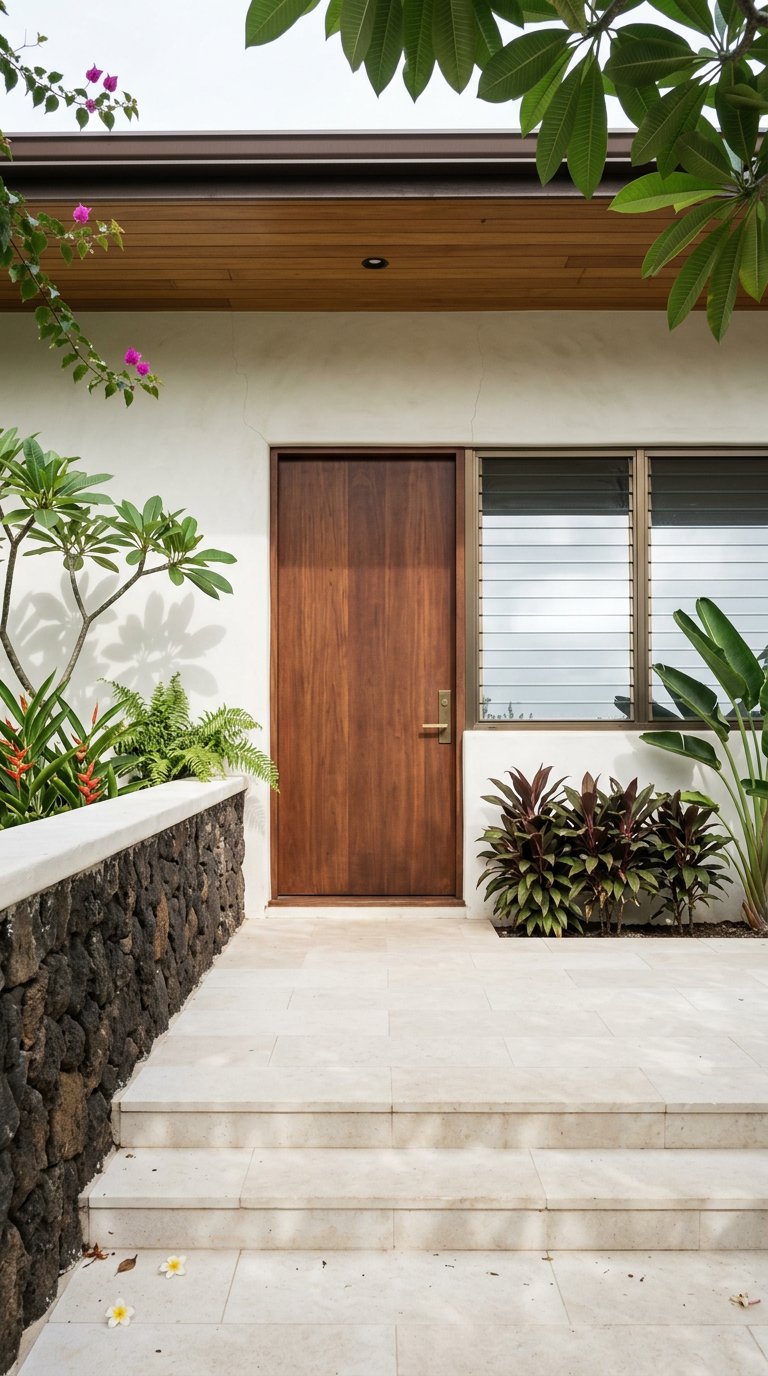
Understanding Diamond Head’s Historic Homes And Values
March 24, 2026
March 24, 2026
If you love the idea of a classic Diamond Head home, you are not alone. These properties offer character, location, and a strong sense of place that is hard to match anywhere else in Honolulu. The flip side is that rules, age, and coastal conditions can make ownership more complex. In this guide, you will learn how Diamond Head’s Special District works, what styles you will see, how age and upgrades shape value, and the steps to protect your investment. Let’s dive in.
Diamond Head sits along Honolulu’s southeast coast, next to Kapiʻolani Park and Waikīkī. Some oceanfront stretches are known locally as the Gold Coast. Much of the area falls under the City’s Diamond Head Special District, which was created to protect the crater’s natural profile, public views, and the park-like character of nearby slopes. The City’s Land Use Ordinance treats the Special District as an overlay, so it adds rules on top of normal zoning. You can review the Special District purpose, map references, and project review basics in the City’s Land Use Ordinance for Diamond Head Special District.
If you plan exterior work, do not start without understanding what needs a Special District permit. The City classifies projects as major, minor, or exempt, and many exterior changes can trigger a permit and a design review. Height, setbacks, landscaping, fences, and visual compatibility are all reviewed for fit with the neighborhood’s character. The overlay applies even if underlying zoning would otherwise allow the work.
Some parcels sit in a designated core area where rules are tighter. That is because the City aims to protect public view planes and keep a coherent park edge. Fence heights and setbacks, building massing, and any feature that could block views are carefully evaluated. If a proposal is large or sensitive, it may go to the Design Advisory Committee.
Diamond Head’s housing mix is broad. You will find 1920s to 1940s kamaʻāina estates, mid-century and tropical modern homes from the 1950s to 1960s, and newer rebuilds that introduce today’s performance and finish levels. Many older homes feature deep lanais, native woods, lava or stone accents, and layouts that promote trade-wind ventilation.
Early island-heritage homes often sit on larger lots with mature landscaping and layered indoor and outdoor living. When original materials, proportions, and lanais remain intact, these houses carry strong heritage appeal. Buyers who value authenticity often respond to preserved woodwork, true lanais, and period details. Sensible system upgrades can make them livable without losing character.
Mid-century designs emphasize sun protection, airflow, and connection to the landscape. Expect big glass walls, open plans, and generous roof overhangs that fit the climate. This aesthetic is sought after for its simplicity and indoor-outdoor flow. When mechanical systems are updated while original lines remain, these homes can command a premium within the neighborhood.
Some Diamond Head properties have been fully rebuilt or heavily remodeled. These homes deliver modern performance, technology, and finishes. The trade-off is that full rebuilds may reduce historic fabric, which matters to character-focused buyers. Values reflect how well the finished product fits the surroundings and how it respects view corridors and design guidelines.
Diamond Head sits near the top of Oʻahu’s pricing spectrum, and demand for coastal and character properties has stayed strong. Recent luxury market reporting shows continued strength in high-end Oʻahu segments, which helps support values in neighborhoods like Diamond Head. A notable nearby benchmark is Kahala, where local coverage reported a record sale, reinforcing expectations for trophy properties east of Diamond Head.
Age, condition, and permitting history play a major role in pricing. Use this simple framework as you consider value:
For market context, see recent Oʻahu luxury reporting from Pacific Business News. For the high end nearby, local coverage has highlighted a record Kahala sale, which shapes expectations for the broader east Honolulu luxury corridor.
Before you buy or list a Diamond Head home, run this sequence to avoid surprises:
Tropical and coastal conditions can be tough on materials. Salt air accelerates corrosion on fasteners, railings, and HVAC equipment. Moisture and shade can lead to wood rot around lanais and roof flashings. Older reinforced concrete can show spalling near the coast, and termite activity requires vigilance and regular inspections.
Set your upgrade plan in this order to protect value:
For a principles-based approach, consult preservation maintenance guidance that explains how regular care and compatible repairs can be the most cost-effective way to sustain historic value.
Plan for the Special District early in your design process. Many exterior changes need permits, and larger proposals may receive a design advisory review. If your home is more than 50 years old, prepare for consultation with the State Historic Preservation Division as part of the City’s permit routing. Coastal Gold Coast parcels often overlap with the Special Management Area, so shoreline setbacks and SMA permits may also apply. Early conversations with your architect and permitting team help you avoid forced design changes later.
Community interest in preserving views and character is strong around Diamond Head. Preservation groups regularly comment on projects that affect view corridors and public spaces, which is part of what keeps the neighborhood’s identity intact. Understanding this context helps you design respectfully and move through the process more smoothly.
If you are selling a historic or character Diamond Head home, presentation and clarity matter. Buyers pay for preserved features supported by sound systems, clean permits, and clear disclosures. As a seller, you can position your home at the top of its range by handling safety and envelope issues first, documenting permits, and elevating presentation with professional staging and media.
If you are buying, focus your contingency period on systems, permits, and coastal exposure. Order a full structural inspection, termite report, roof review, sewer or cesspool check, and an electrical assessment. For shoreline properties, confirm SMA history and shoreline setbacks to understand future flexibility.
When you are ready for expert help, lean on a local team that pairs technical fluency with premium presentation. The Hawaii LUX Team brings founder-level experience in appraisal, lending, title and construction, plus free home staging, professional photography, and virtual tours on every listing. That combination reduces transaction risk and helps you capture the full value of a well-prepared Diamond Head home. To talk strategy or request a detailed valuation, connect with the Hawaii LUX Team of eXp Realty.
July 23, 2026
July 16, 2026
July 9, 2026
July 2, 2026
June 25, 2026
June 18, 2026
June 11, 2026
June 4, 2026
May 28, 2026
Get assistance in determining current property value, crafting a competitive offer, writing and negotiating a contract, and much more. Contact us today.