Your Guide to Kaneohe’s Windward Lifestyle and Commute
May 7, 2026
May 7, 2026
If you want Oʻahu greenery, bay access, and a daily routine that feels more relaxed than town, Kāneʻohe deserves a close look. This Windward community offers a distinctive mix of mountain backdrops, boating culture, and practical connections to Honolulu. If you are weighing lifestyle, commute patterns, or how Kāneʻohe compares with nearby areas, this guide will help you get a clearer picture. Let’s dive in.
Kāneʻohe is one of Oʻahu’s major Windward communities, with a 2020 Census population of 37,430. Even though it is a substantial residential area, it often feels more outdoor-oriented and less resort-focused than some other parts of the island. That everyday feel is a big part of its appeal.
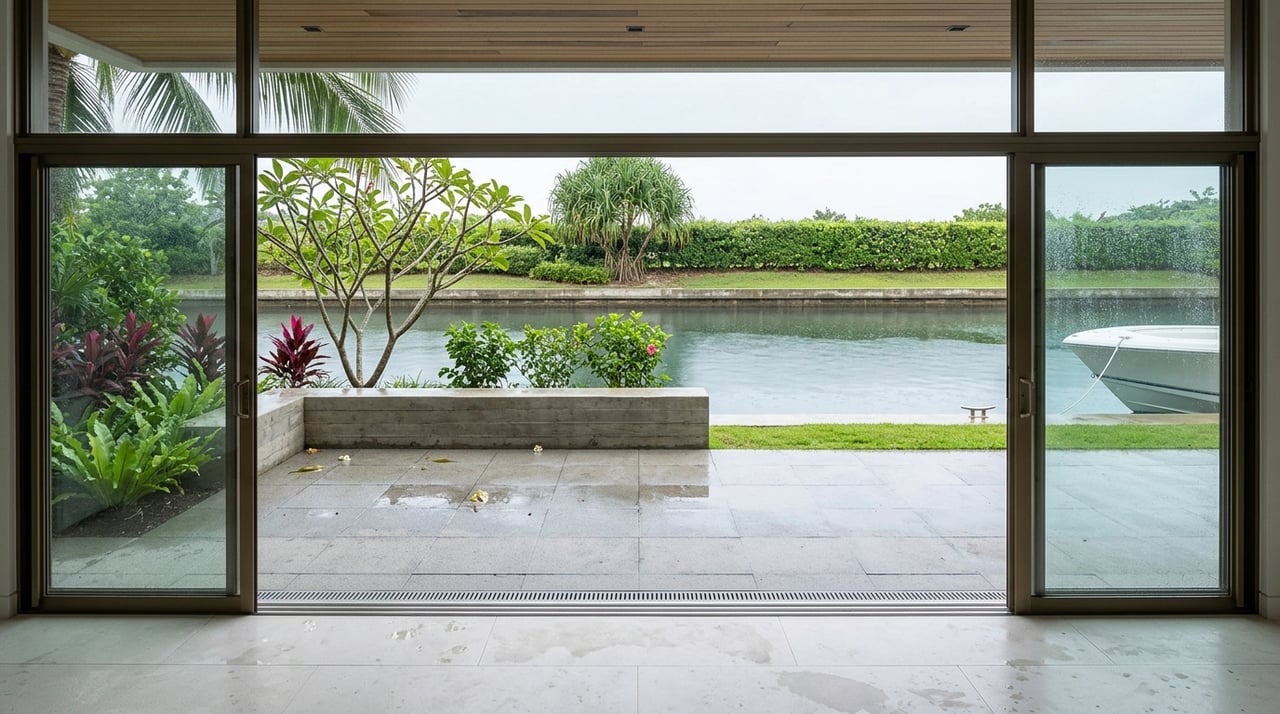
One reason is the setting itself. The Koʻolau Mountains rise behind Kāneʻohe, while Kāneʻohe Bay opens up in front of it. That mountain-and-bay contrast gives the area a strong sense of place and helps explain why it feels different from Honolulu or from the beach-centered communities farther east.
The Windward side is known as Oʻahu’s greener side, and Kāneʻohe reflects that identity well. The landscape is shaped by ridges, valleys, cliffs, and frequent cloud cover moving across the Koʻolau range. For many residents, that scenery becomes part of the daily rhythm rather than a special occasion.
You can also expect a slower pace than Honolulu. That does not mean remote or disconnected. It means your surroundings often feel more residential, more scenic, and more tied to outdoor recreation.
Weather plays into that experience too. NOAA climate normals for the Kaneohe Bay MCAS station show 27.82 inches of annual precipitation, with wetter months tending to cluster in late fall and winter. In practical terms, you can expect a lush setting and passing trade-wind showers without needing to treat the climate as extreme.
If you are considering a move to Kāneʻohe, the lifestyle often comes down to a few simple tradeoffs:
Kāneʻohe Bay is more than a pretty backdrop. According to DLNR, it is Hawaiʻi’s largest sheltered body of water and one of only two bays in the state with barrier reefs. That gives the area a boating identity that stands out on Oʻahu.
The bay supports a range of water activities, including boating, fishing, kayaking, and snorkeling. Familiar landmarks include Moku o Loʻe, also known as Coconut Island, Mokoliʻi, and the Ahu o Laka sandbar. For people who want regular access to the water, Kāneʻohe offers a lifestyle that feels closely tied to the bay.
A key public access point is Heʻeia Kea Small Boat Harbor on the southwestern shore of Kāneʻohe Bay. DLNR lists 21 berths, 54 moorings, and 3 ramps there, along with practical amenities like fuel, food, ice, washdown, restrooms, and an MSD pumpout. If boating is part of your routine, that infrastructure matters.
This is one of the clearest examples of how Kāneʻohe supports a real working waterfront lifestyle, not just scenic views. For buyers comparing neighborhoods, that can be a major differentiator.
It is also important to understand that Kāneʻohe Bay is a regulated boating environment. DLNR has installed reef markers because vessels have struck patch reefs while traveling to and from the sandbar, and the agency notes that not all reefs are marked. That means bay navigation should be approached with care.
There are also specific restrictions around Ahu o Laka, the Kāneʻohe Sandbar. State rules prohibit thrill craft, commercial vessels, and water skiing in that zone. So while the bay is highly accessible, it is best described as accessible and rule-conscious.
For many people, the visual character of Kāneʻohe is one of its biggest selling points. The steep ridges and cliff faces of the Koʻolau range create a backdrop that feels dramatic even on an ordinary weekday. In some neighborhoods, those views are constant.
Because the Windward Coast tends to be greener, the scenery often feels fuller and softer than in drier parts of Oʻahu. Clouds moving across the ridgeline, sudden light shifts, and passing showers are all part of the atmosphere. If you value a landscape that feels alive and changing, Kāneʻohe delivers that in a very everyday way.
If you work in Honolulu or travel regularly into town, your commute from Kāneʻohe is best understood by route choice rather than by one fixed time estimate. HDOT closure notices for H-3 direct drivers to use Likelike Highway or Pali Highway as alternates, which makes it clear that Kāneʻohe’s connectivity depends on the corridor you use and current traffic conditions.
That route-based reality matters when you are comparing Kāneʻohe with other Windward locations. On some days, your drive may feel straightforward. On others, closures, traffic, or alternate routing can change the experience.
Kāneʻohe also has direct public transit connections. TheBus Route 65 runs the Honolulu-Kaneohe-Ahuimanu line to Downtown and Ala Moana Center. Route 67 runs Honolulu-Kailua-Waimanalo via Pali Highway to Ala Moana Center.
For some buyers, that makes Kāneʻohe more flexible than they expect. If you are trying to balance a Windward address with access to town, transit can be part of the picture along with driving.
The practical takeaway is simple:
Many buyers looking on the Windward side end up comparing Kāneʻohe with Kailua or, in a different way, with Kaʻaʻawa. These places offer very different lifestyles, even though they are all part of East Oʻahu.
Kailua is often the closest comparison because it is also a major Windward community. Census data shows Kailua had 40,514 residents in 2020, which is fairly close to Kāneʻohe’s 37,430. But their identities are not identical.
Kailua is more strongly associated with beach access and town-center activity. Public attention there often centers on shoreline recreation and a more concentrated beach-town atmosphere. Kāneʻohe, by contrast, is more closely tied to bay access, mountain scenery, and a broad residential feel.
That difference matters if you are choosing based on how you want daily life to feel. If you want a beach-town rhythm and a more event-centered identity, Kailua may be the comparison point. If you want something established and service-rich with a stronger bay-and-mountain personality, Kāneʻohe stands on its own.
Kaʻaʻawa sits much farther north along Kamehameha Highway and feels much smaller in scale. The 2010 census profile lists 1,379 residents, which helps explain why it is often experienced as quieter and more rural. Compared with that setting, Kāneʻohe offers more services and a more established community structure.
For buyers deciding between convenience and a more remote feel, this is a useful contrast. Kāneʻohe often lands in the middle ground: more built-out and connected than Kaʻaʻawa, but less beach-town concentrated than Kailua.
Kāneʻohe tends to appeal to buyers who want more than one lifestyle feature at once. You may be drawn to the area if you want mountain views, bay access, and a residential setting without feeling cut off from Honolulu. It can also make sense if you like the Windward look and feel but are not specifically focused on living in a beach-town environment.
For sellers, Kāneʻohe’s appeal is often about helping buyers understand the full picture. The setting, boating access, greenery, and route-based commute all shape value in a way that is different from other Oʻahu neighborhoods. Presenting those lifestyle strengths clearly can make a real difference when your home hits the market.
Whether you are buying or selling in East Oʻahu, local context matters. The team at Hawaii LUX Team of eXp Realty brings island-focused guidance, strong neighborhood insight, and a full-service approach designed to help you move forward with confidence.
October 22, 2026
October 15, 2026
October 8, 2026
October 1, 2026
September 24, 2026
September 17, 2026
September 10, 2026
September 3, 2026
August 27, 2026
Get assistance in determining current property value, crafting a competitive offer, writing and negotiating a contract, and much more. Contact us today.